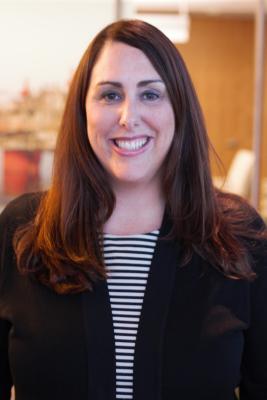
Jennifer Rosen
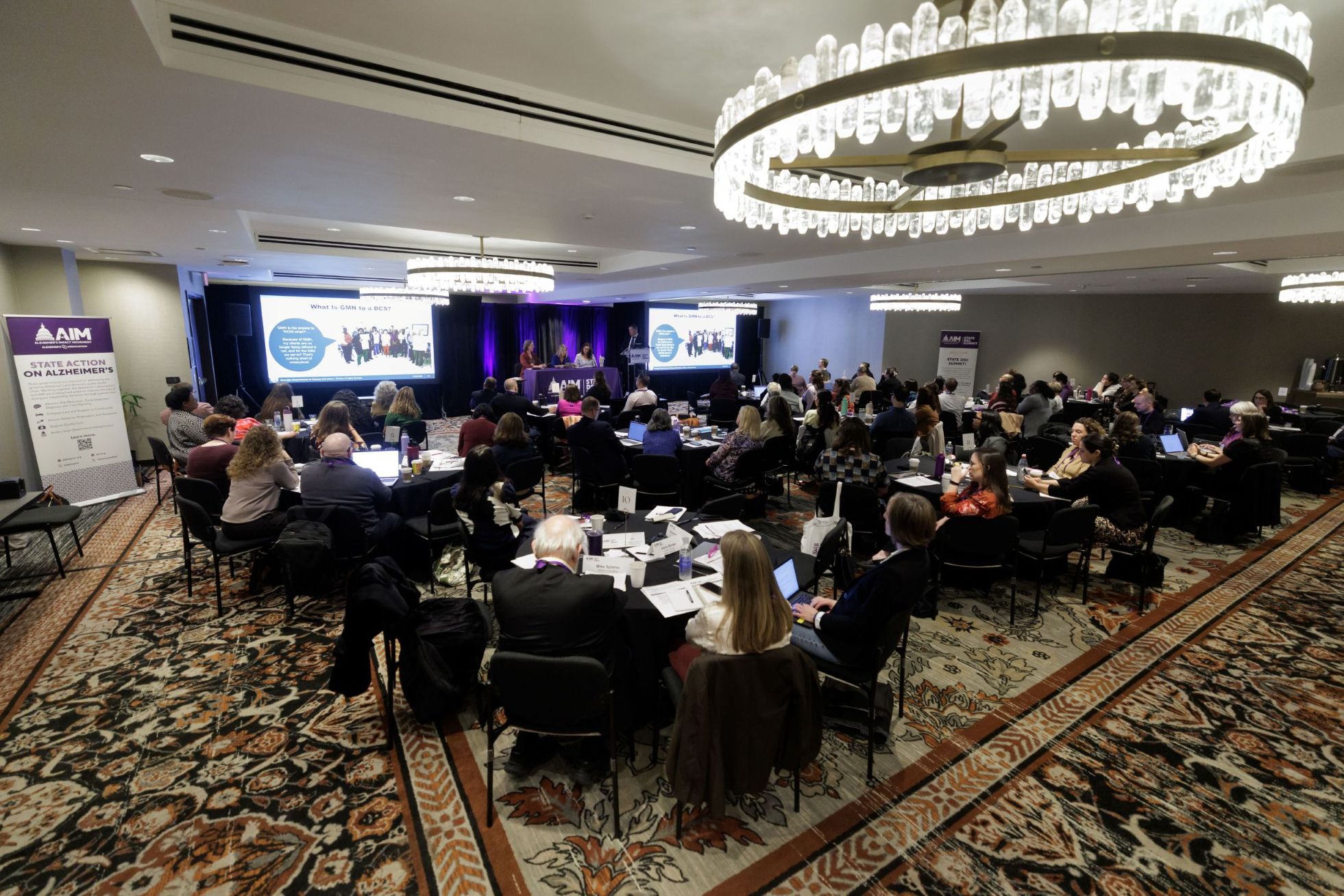
This week, the Alzheimer’s Association welcomed state agency officials from 26 states to Washington, D.C., for the fifth annual State Dementia Services Coordinator (DSC) Summit. When we brought the first group of state DSCs together in 2022, the idea was simple: the people leading this work in state government should have the tools, knowledge and connections to learn from one another.
With more than 7 million Americans living with Alzheimer’s and nearly 13 million family members and friends providing unpaid care, the work state DSCs do has never mattered more. I was proud to open this milestone gathering, which was designed to showcase what they have accomplished and equip them for what comes next.
The look back at the DSC Summit’s progress came from those who lived it. A panel of veteran DSCs from Kentucky, North Carolina and Minnesota reflected on how their role has evolved. One described starting as an office of one and learning to write grants quickly. Their advice for newer DSCs was practical: be ready to try something and pivot if it does not work and invite yourself to as many tables as you can. Kentucky’s Jennifer Craig summed up her outlook in three words that became a running theme for the rest of the DSC Summit: “I’m toxically positive.”
Day one also connected the science to what it means for state government. Courtney Kloske, Alzheimer’s Association director of scientific engagement, reviewed progress in blood-based biomarker testing and treatment. Robert Egge, chief public policy officer of the Association and president of AIM, went over how the federal ASAP Act, which would accelerate Medicare coverage of blood tests for Alzheimer’s screening, works hand in hand with state efforts on securing coverage for biomarker testing and treatments for Alzheimer’s: “ASAP complements a robust state agenda,” said Egge.
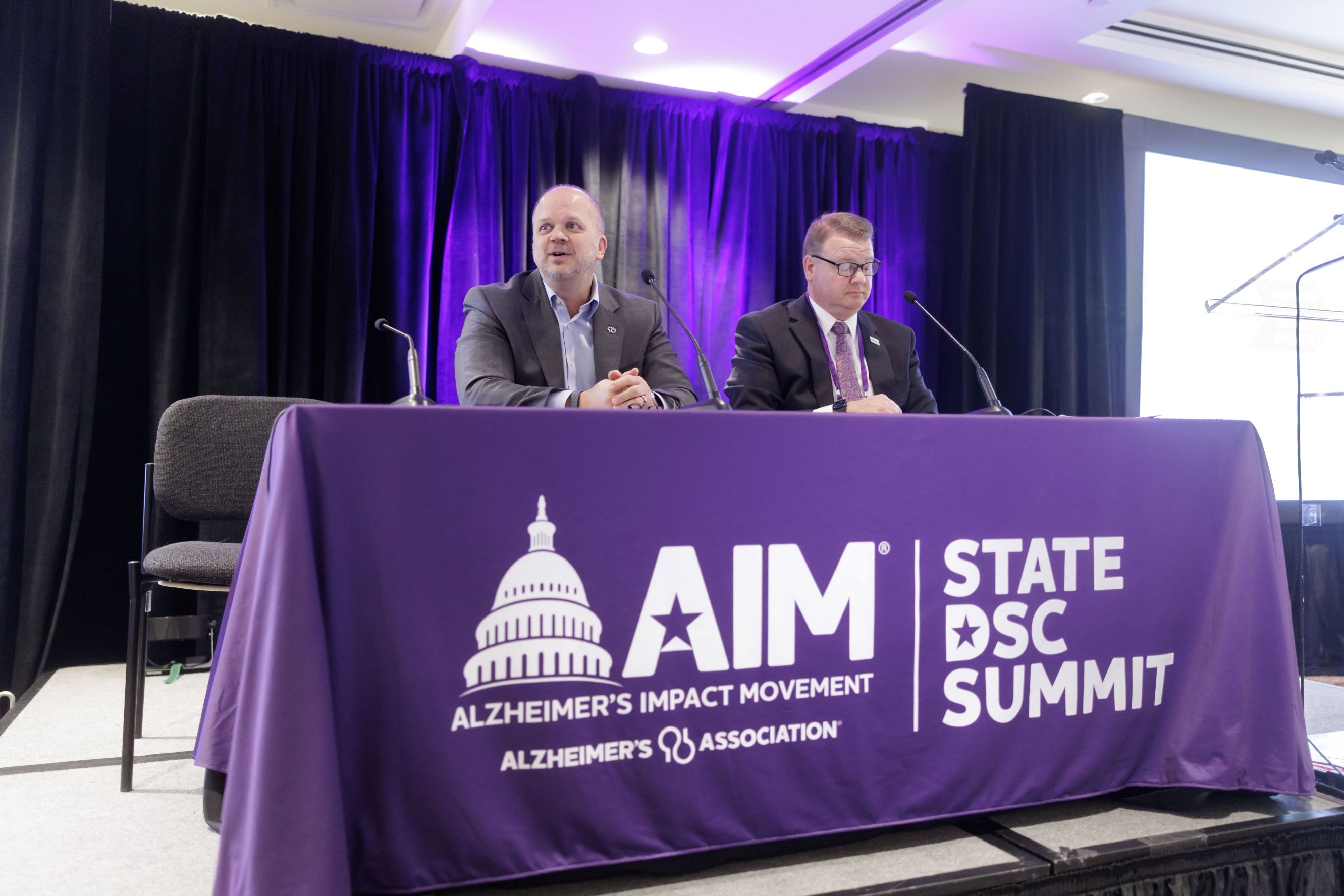
DSCs also heard that no federal law protects people from biomarker discrimination in employment, and that Illinois was the first state to enact workplace protections for biomarker test results. “A lot of exciting things are happening with Alzheimer’s science. The policy response has to move forward at the same pace,” said Carter Harrison, Alzheimer’s Association senior director of state regulatory and legislative affairs.
Across both days, states shared what they are building. Georgia and Tennessee showed how innovative care models are breaking down barriers to a timely diagnosis by reimagining clinical preparation and diagnostic delivery. Louisiana offered a case study on prioritizing dementia risk reduction following the U.S. POINTER findings, and attendees discussed how to translate risk reduction strategies into public outreach in their states.
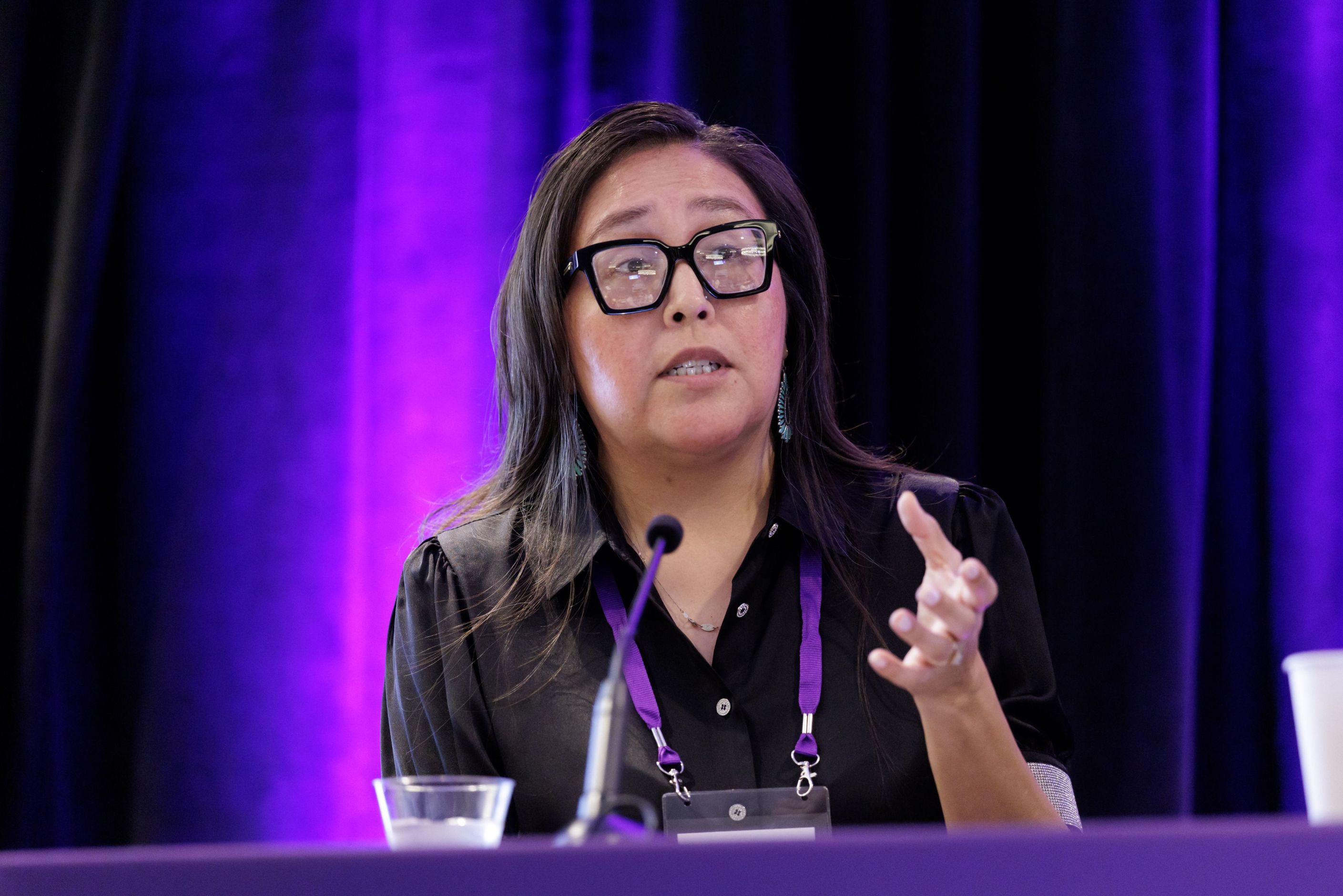
Texas also shared how the Dementia Prevention and Research Institute of Texas (DPRIT) grew from a long period of smaller steps, and how DSCs in other states can help shape their own state’s research strategy.
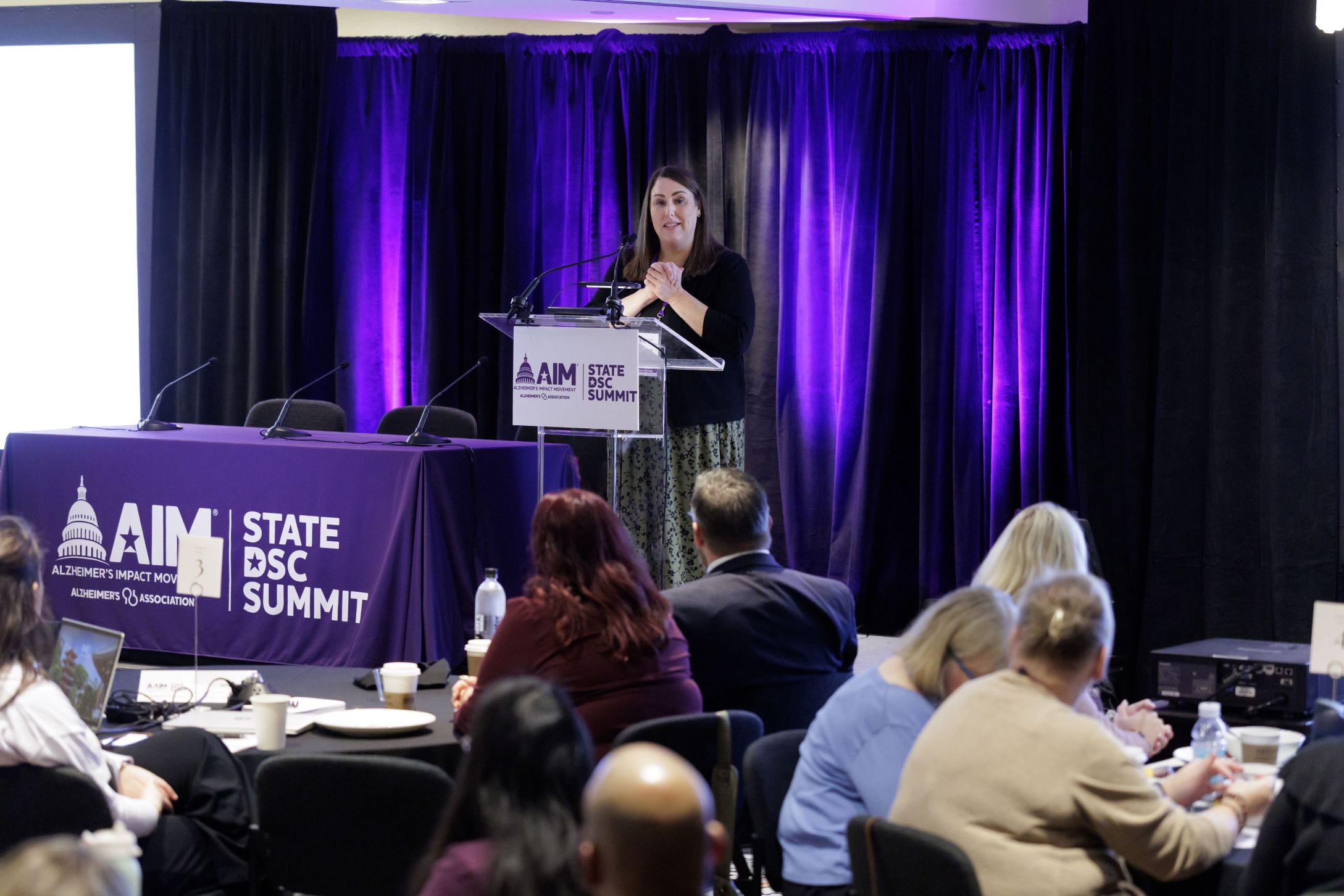
As the DSC Summit wrapped up, attendees shared what they were taking home. Many said the biggest takeaway was that progress comes in small steps: it is a marathon, not a sprint. It’s important to recognize what is already going well, celebrate small wins and focus on what you have the capacity to take on. Hearing how so many of their peers began as one-person teams and have gone on to make so much progress made that message resonate for newer DSCs.
The brainstorming and conversations with peers throughout the event also sparked new ideas. Attendees said they were inspired by the range of projects underway in other states and are eager to try new approaches in their own state. Many left with pages of notes.
Just as valuable, they now know who to call. The information DSCs need is often out there, attendees said, but the DSC Summit helped them figure out where to look and who to ask.
That optimism echoed Jennifer Craig’s words from earlier in the event. I left the DSC Summit toxically positive about what DSCs will accomplish in their states, and I look forward to seeing what the next five years will bring.
The Alzheimer’s Association and AIM will continue to champion bipartisan policies and support all those impacted by Alzheimer’s and other dementia in all 50 states.
Learn more about how AIM is advancing policies in your state.