Beth McMullen
Each month, we’re featuring an advocate who engages with policymakers to ensure priorities that improve the lives of people impacted by Alzheimer’s and all other dementia remain top-of-mind in Congress.
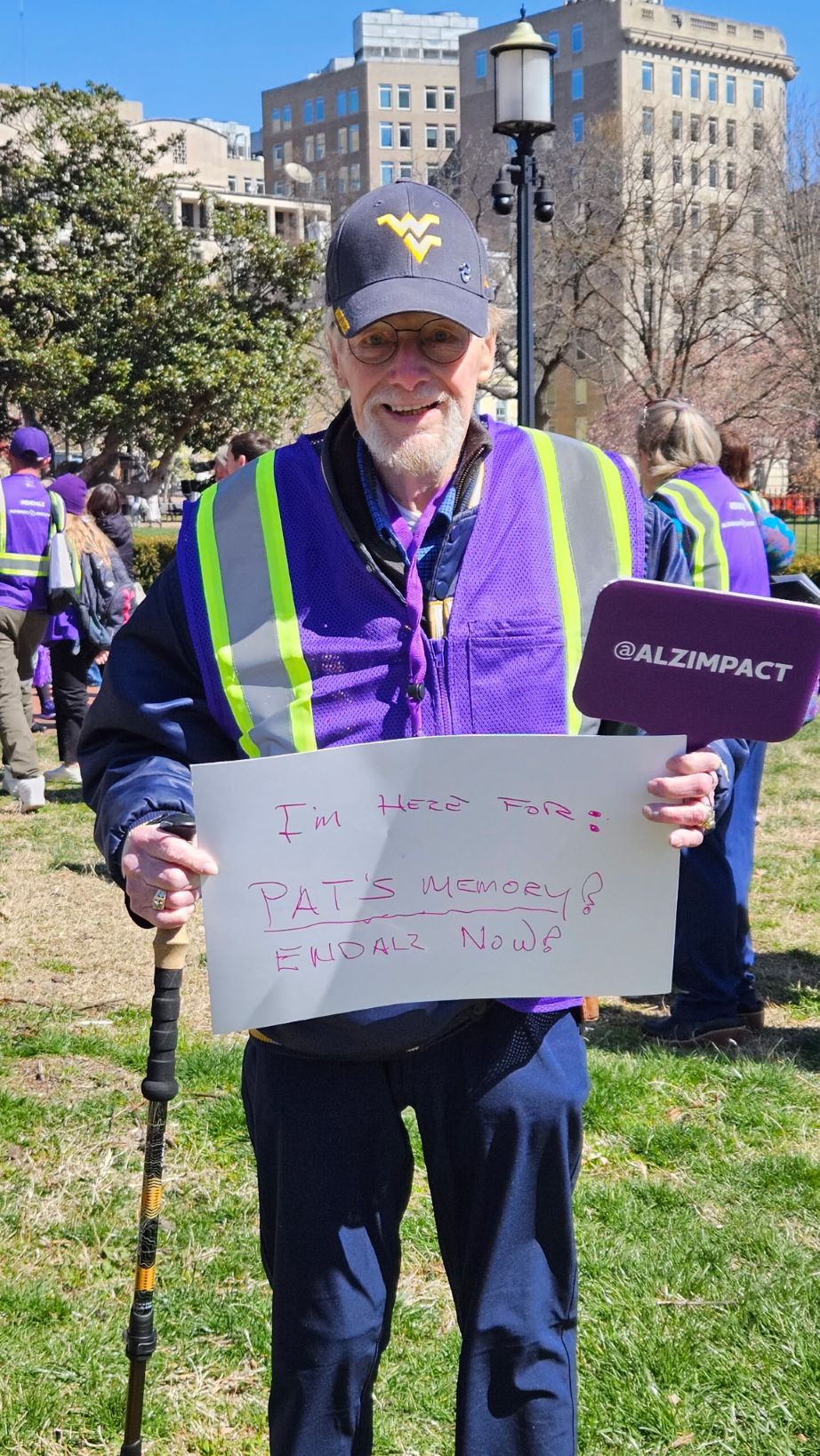
Barry Weber of West Virginia brings both compassion and persistence to Alzheimer’s advocacy. Motivated by his own experience caring for his late wife, Barry has spent a decade building relationships with lawmakers, sharing the realities caregivers face, and helping advance practical policies that improve coordination, support, and outcomes for families like his. Most recently, Barry and his fellow advocates helped grow support for a major state policy victory in West Virginia.
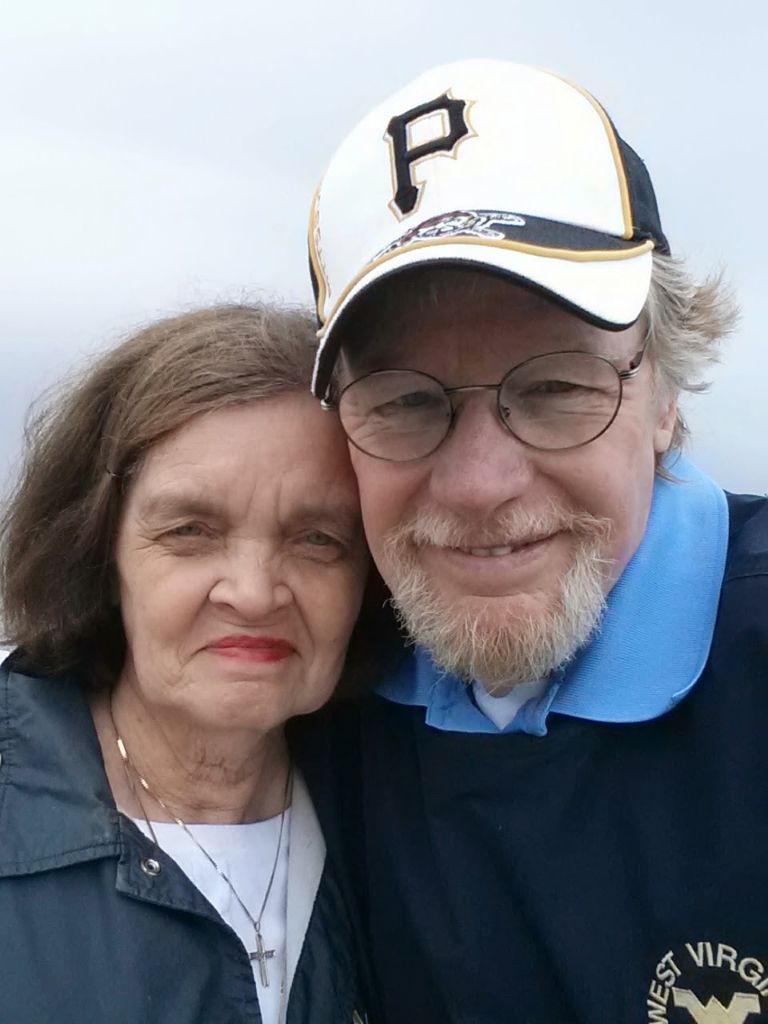
Barry’s journey began at home, as subtle changes became impossible to ignore. He remembers the memory and personality changes that surfaced for his wife, Pat, and the long search for answers: multiple visits with their doctor and eventually a brain scan, “which revealed that the amyloids and brain tissues had shrunk her brain far more than the doctor expected,” said Barry. “He then told me to ensure I made long-term plans, which we did.”
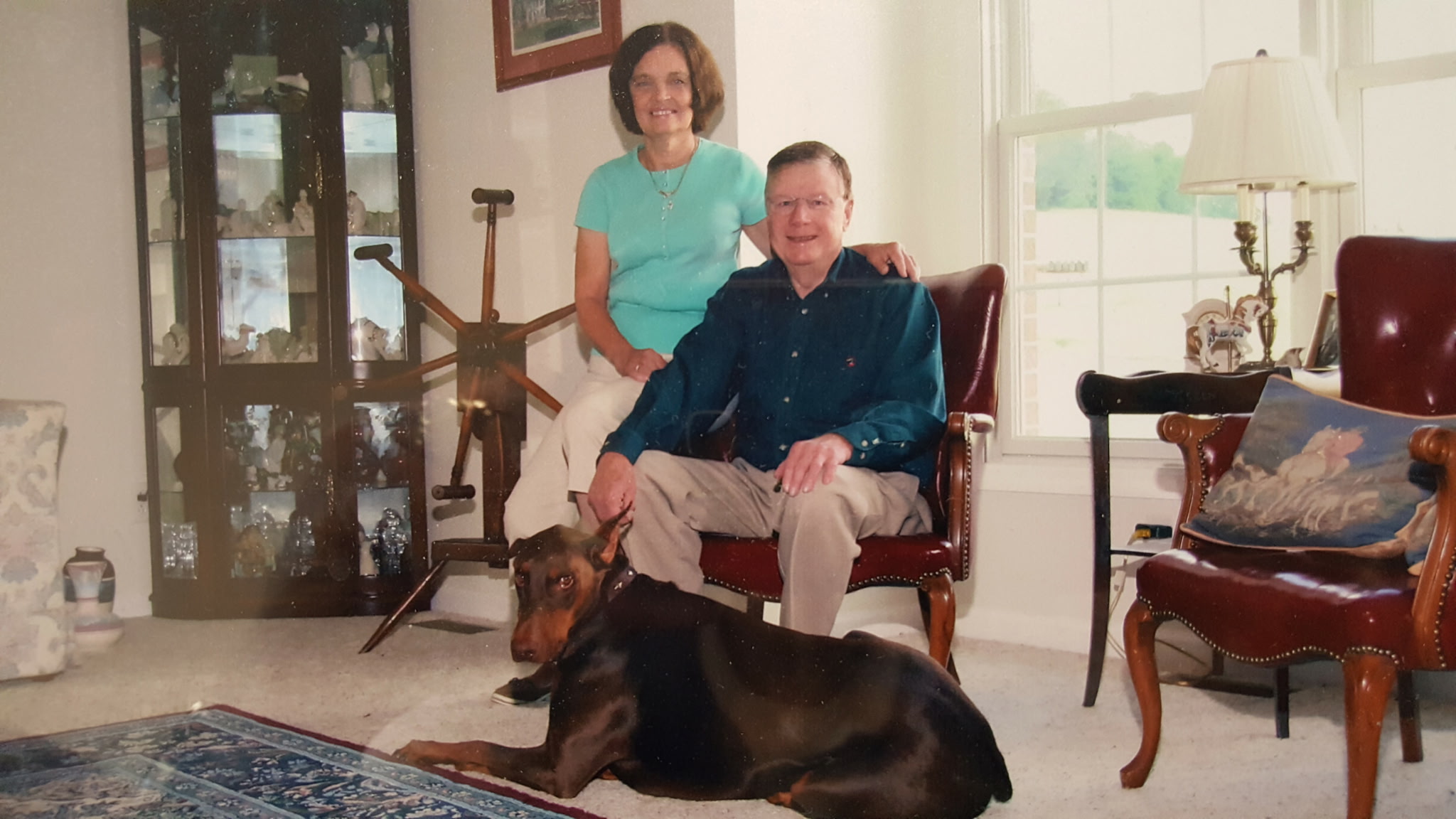
As her disease progressed, wandering became a common challenge for Pat. “I found her in the driveway talking to her mom and dad, who passed years before…We had a Doberman named Remmy who began to watch Pat very closely as she began to wander. As a result he would sit quietly by the door and block it until she attached his lead for her daily walks. He heeled perfectly to her pace and when she strayed off course, he would gently lead her back. After one walk, she came in the door with a big smile and said, ‘Guess what? Remmy brought me home.’”
Placing Pat in a nursing home to keep her safe from wandering was, as Barry shares, “one of the worst days of our marriage.” She passed away on September 8, 2016, just shy of their 54 year wedding anniversary. The grief and the financial toll of care never left him — they became the fuel for his advocacy. “I hurt all over and still do even though she is happy and waiting for me on the other side,” said Barry.
He doesn’t hide the anger this disease has left behind: “I advocate because I to this day remain very, very bitter over this disease that literally robbed Pat and I of every plan we had being retired and destroyed our invested funds that we had saved.”
Throughout his time caregiving, Barry turned to the Alzheimer’s Association’s resources early and often, including the 24/7 Helpline. Shortly after his wife passed away, Barry decided to make a difference for others impacted by this devastating disease by becoming an advocate.
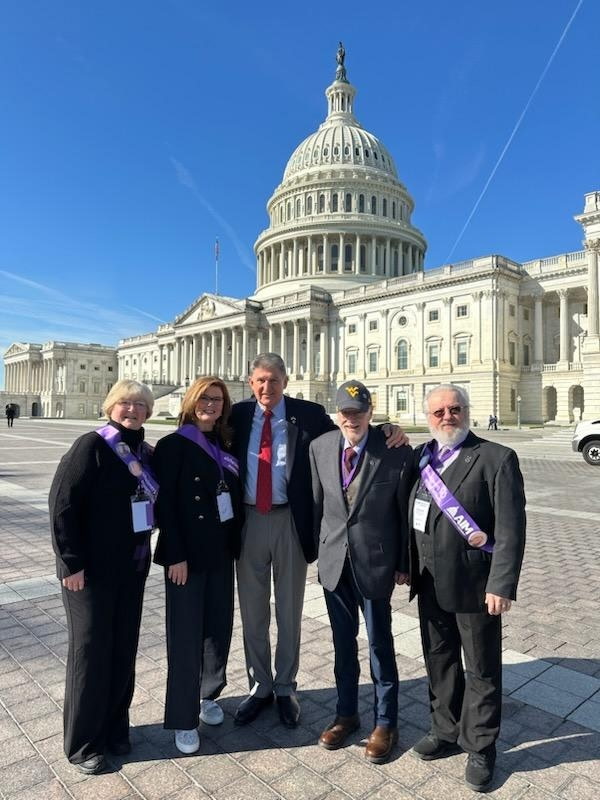
Over the years, Barry has attended both the AIM Advocacy Forum in Washington, D.C., and State Advocacy Day in Charleston, West Virginia multiple times. Barry’s approach to advocacy is relational and steady — building trust with local lawmakers, showing up year after year, and pairing real family experiences with clear policy solutions. He has worked with fellow advocates to share West Virginia–specific Alzheimer’s demographics with state and federal offices, a behind‑the‑scenes contribution he enjoys. Reflecting on the friendships he has developed with his fellow advocates, Barry has learned: “Advocacy is about community. None of us does this alone.”
That spirit of working together was on full display at last year’s State Advocacy Day, when Barry and his fellow AIM advocates helped grow support for H.B. 2575, which is now law. The measure establishes a full‑time, permanent dementia services coordinator within the state’s Department of Health — a role responsible for implementing the state Alzheimer’s plan, applying for grants, coordinating dementia policy, and collecting dementia‑related data.
Advocates like Barry brought their personal stories to the West Virginia State Capitol, connected lawmakers to the day‑to‑day realities of caregivers, and underscored the need for a dedicated point of leadership to move the state plan from paper to practice. Their collective effort helped secure bipartisan backing and deliver a policy win that will strengthen coordination, accelerate funding opportunities, and improve data to guide decisions — practical changes that families will feel.
Through it all, Barry keeps the focus where it began: honoring Pat and standing with families walking the same road. He continues meeting with lawmakers, attending the Forum, building relationships, and making the case for policies that expand caregiver support, strengthen the dementia workforce, and drive research — from state‑level coordination to federal priorities. He also never forgets the caregivers who shoulder so much. As he has shared with legislators, Alzheimer’s is “one of the most expensive diseases,” and caregiver stress takes a significant toll. His message is steady and urgent: better coordination, better data, and better support can lighten the load today while we push for tomorrow’s breakthroughs.
“[Alzheimer’s disease] robbed the mind and eventually the dignity of life from a once proud mom, grandparent, and honored teacher,” said Barry. “I will celebrate the day when we are together and put Alzheimer’s in the ‘done column.’”
Even with the grief he carries, Barry continues to show up — steadily, consistently, and with the same determination that has defined his decade of advocacy.
Become an advocate today to add your voice to the U.S. Capitol, at state advocacy day, and in district meetings throughout the year. Steady persistence from advocates like Barry moves policy forward and brings us closer to our vision of a world without Alzheimer’s and all other dementia.