Maryland State Alzheimer’s Plan Overview

In 2011, Governor Martin O’Malley issued executive order 01.01.2011.21 establishing the Virginia I. Jones Commission on Alzheimer's Disease and Related Disorders to evaluate the impact of Alzheimer’s in Maryland and issue a State Plan with recommendations for state policymakers. The Commission, which included caregivers, health care providers, community organizations, and state agencies, published the Maryland State Plan on Alzheimer’s Disease and Related Disorders in December 2012.
In October 2013, the legislature established the Virginia I. Jones Alzheimer’s Disease and Related Disorders Council into law (Chapter 305, Acts of 2013) to continue the work of the previous Commission. In reviewing state statutes, policies and programs, the Council was to improve and enhance quality of life and support and services for individuals living with Alzheimer's disease and related disorders and their families by promoting and expanding the availability and accessibility of home- and community-based support and service programs.
In 2019, the state enacted legislation (Chapter 410 of 2019) extending authorization of the Council to 2024 and expanding its charge to update and advocate for the Maryland State Plan on Alzheimer's Disease and Related Disorders. The Council will also now examine the needs of individuals living with Alzheimer’s and other dementia and their caregivers to identify how the state can assist most effectively and advise the governor and General Assembly on related policy and funding issues. The Council is also now charged with developing and promoting strategies that encourage brain health and reduce cognitive decline.
In 2022, Governor Larry Hogan signed into law SB 0027 (Chapter 397 of 2022), requiring the Council to publish an updated State Plan by September 2022 and every five years thereafter. Following the conclusion of the state legislative session, the Council published the updated Maryland State Plan to Address Alzheimer’s Disease and Related Dementias: 2022-2026. The updated state plan presents five goals to improve the state’s response to Alzheimer’s. These include improving public awareness; enhancing quality and coordination of dementia care; supporting dementia family caregivers; and increasing the collection and use of data to drive dementia policy that address key areas that are significant to persons living with dementia and their caregivers.
Maryland 2026 Policy Priorities

Ensure Maryland is Prepared to Address Alzheimer’s
Maryland is home to over 127,000 individuals living with Alzheimer’s, yet the state’s infrastructure must evolve to meet the growing care needs. As new treatments become available, it is essential that clinicians have access to up-to-date resources and that the Department of Public Health is empowered to lead on brain health initiatives. The Alzheimer’s Association is calling on state lawmakers to pass legislation establishing a Dementia Services and Brain Health Program and ensuring the creation of a clinical toolkit. This strategic action will ensure Maryland is ready to support families and mitigate the future impact of Alzheimer’s and other dementia.
Invest in Health Care Provider Education
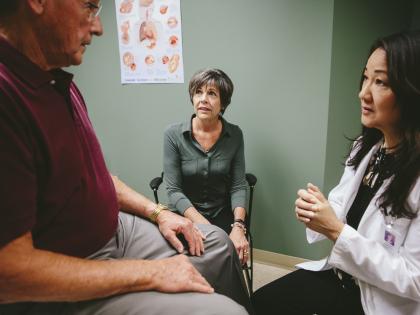
Maryland has the highest prevalence of Alzheimer’s disease in the nation among those 65 and older, creating an urgent demand for a knowledgeable workforce. Currently, providers lack dedicated resources for training on the latest risk reduction strategies, diagnostics and treatments. The Alzheimer’s Association is urging state lawmakers to appropriate $500,000 in the FY 2027 budget to support clinician education initiatives. This funding is essential toward equipping primary care providers with the expertise needed to deliver high-quality dementia care.
Sign Up to Learn About Advocacy Opportunities in Maryland

Maryland’s Advocates Achieve Legislative Wins
Thanks to our hardworking advocates in states like Maryland, AIM is leading the way to pass laws that improve the lives of those living with dementia and their caregivers. In Maryland’s 2022 legislative session, advocates worked to develop, introduce and grow support for several bills that became laws.
Find My Chapter
Together, we’re making an impact. Find an Alzheimer’s Association chapter in your community for more ways to engage.
Contact Us
State Affairs Contact: Megan Peters
Phone: 443.632.9722
Email: mrpeters@alz.org
127,200
people living with Alzheimer’s in Maryland
260,000
Marylanders are providing unpaid care
$1.74 Billion
Medicaid cost of caring for people living with Alzheimer’s (2025)
1,244
deaths from Alzheimer’s in 2024
17%
in hospice with a primary diagnosis of dementia
224
number of geriatricians in Maryland in 2021
Resources to Drive Change in Maryland
The following resources developed by AIM and the Alzheimer’s Association will help you learn more about the issues impacting people living with Alzheimer’s and their caregivers, how Maryland policymakers are addressing these gaps, and how you can help drive change.