South Carolina State Alzheimer’s Plan Overview

In June 2008, the South Carolina General Assembly created the Purple Ribbon Task Force by passing Senate Concurrent Resolution 1333 to study the current and future impact of Alzheimer’s disease within the state, assess resources for those impacted by Alzheimer’s, and develop a strategy to meet the needs of South Carolinians. Housed in the lieutenant governor’s Office on Aging, the Purple Ribbon Task Force included representatives from state health and aging agencies, law enforcement, research institutions, long-term care agencies as well as health care providers and state legislators. In March 2009, the Task Force published Conquering the Specter of Alzheimer’s Disease in South Carolina. Following a 14 year gap since the previous publication, the state Alzheimer’s plan for 2023-2028 was developed after a six-month planning and data collection period. The Alzheimer’s Resource Coordination Center (ARCC) Advisory Council served as the statewide representative coalition of experts and stakeholders throughout the planning process. Following the publication of the state plan, SB 0569 (Act No. 53 of 2023) was enacted, requiring the ARCC Advisory Council to maintain and update the state plan every five years and submit an annual report to the governor and general assembly concerning progress towards fulfilling the state plan.
South Carolina 2026 Policy Priorities

Increase Awareness of Alzheimer’s in Vulnerable Communities
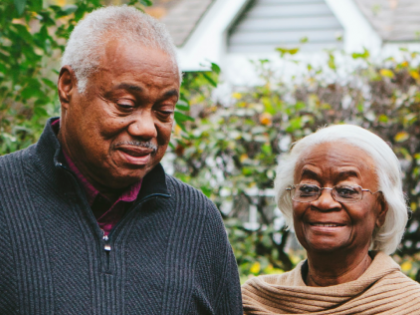
Orangeburg County, South Carolina was identified as having the eighth highest prevalence of dementia in the United States. With limited specialized medical infrastructure and resources in rural South Carolina, public health education on brain health and lifestyle interventions will play an increasingly important role in improving Alzheimer’s and dementia outcomes in rural communities. The Alzheimer’s Association is urging state lawmakers to appropriate $350,000 for a public awareness and education campaign in Orangeburg, Bamburg, Banwell, Allendale, Calhoun, and Clarendon counties focused on culturally relevant messaging on brain health and dementia risk reduction.
Streamline Funding for the South Carolina Alzheimer’s Disease Registry
Regular collection of dementia-specific data is critical to analyzing trends over time. Through data collection and analysis, public health officials and state lawmakers can better understand the extent and impact of Alzheimer’s and other dementia on their state. The South Carolina Alzheimer’s Disease registry is the oldest and most comprehensive statewide registry of residents diagnosed with Alzheimer’s in the United States. The Alzheimer’s Association is calling on state lawmakers to support legislation changing the funding structure for the Alzheimer’s Disease Registry, allowing funds to be allocated directly to the registry, making operation of the registry more streamlined and efficient.
Sign Up to Learn About Advocacy Opportunities in South Carolina
Find My Chapter
Together, we’re making an impact. Find an Alzheimer’s Association chapter in your community for more ways to engage.
Contact Us
State Affairs Contact: Hank Davis
Phone: 803.509.7354
Email: hdavis@alz.org
112,500
people living with Alzheimer’s in South Carolina
229,000
South Carolinians are providing unpaid care
$927 Million
Medicaid cost of caring for people living with Alzheimer’s (2025)
168.5%
increase in Alzheimer’s deaths 2000-2024
20%
in hospice with a primary diagnosis of dementia
214.3%
increase of geriatricians in South Carolina needed to meet the demand in 2050
Resources to Drive Change in South Carolina
The following resources developed by AIM and the Alzheimer’s Association will help you learn more about the issues impacting people living with Alzheimer’s and their caregivers, how South Carolina policymakers are addressing these gaps, and how you can help drive change.